English
 6 min Reading time
 There is currently no standard for installing home batteries. The following sentence (712.11) has been in the NEN1010 (the Netherlands rulebook for low-voltage installations) for years: ‘Requirements for PV systems with batteries or energy storage methods are being prepared.’ As long as these requirements are not in place, installers such as Zonnefabriek have little to go on when it comes to what is and is not allowed.
A document that is often discussed when it comes to energy storage systems is the ‘Publicatiereeks Gevaarlijke Stoffen' (Publication Series Hazardous Substances), or PGS for short. This is a series of guidelines on the safe storage of hazardous substances and associated activities in the Netherlands. It deals with substances such as LPG, ammonia and propane, but also with ‘lithium-containing energy carriers’ such as batteries. PGS number 37 has been drawn up for this last category.
PGS-37-1 provides guidelines for the installation of battery systems larger than 20 kWh
The PGS-37 guidelines apply to lithium-containing ESSs (energy storage systems) with a capacity greater than 20 kWh (kilowatt-hours). Furthermore, PGS-37 explicitly states that the guidelines do not apply to systems in private households, but with the added remark that 'for an ESS with an energy storage capacity greater than 20 kWh, it is recommended to apply the measures from this PGS'.
There is currently no real obligation to follow the PGS-37 guidelines; they are mere 'recommendations'. However, many insurance companies will only want to insure a building containing an ESS if these guidelines are adhered to. Since the PGS-37 guidelines are quite expensive and involved (more on this later), Zonnefabriek has decided not to install batteries greater than 20 kWh in homes: instead, we offer batteries of e.g. 10, 12 or 16 kWh, which is more than sufficient for most households.
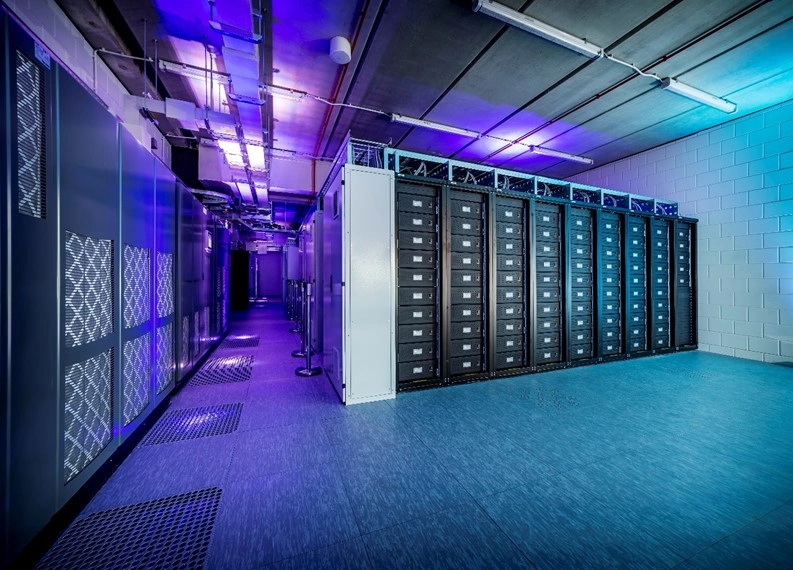
Large indoor battery storage system: here, the PGS-37 guidelines do apply (source: PGS)
Despite the lack of mandatory standards for home batteries smaller than 20 kWh, there are some common sense measures that we want the installation to comply with. Here are a few:
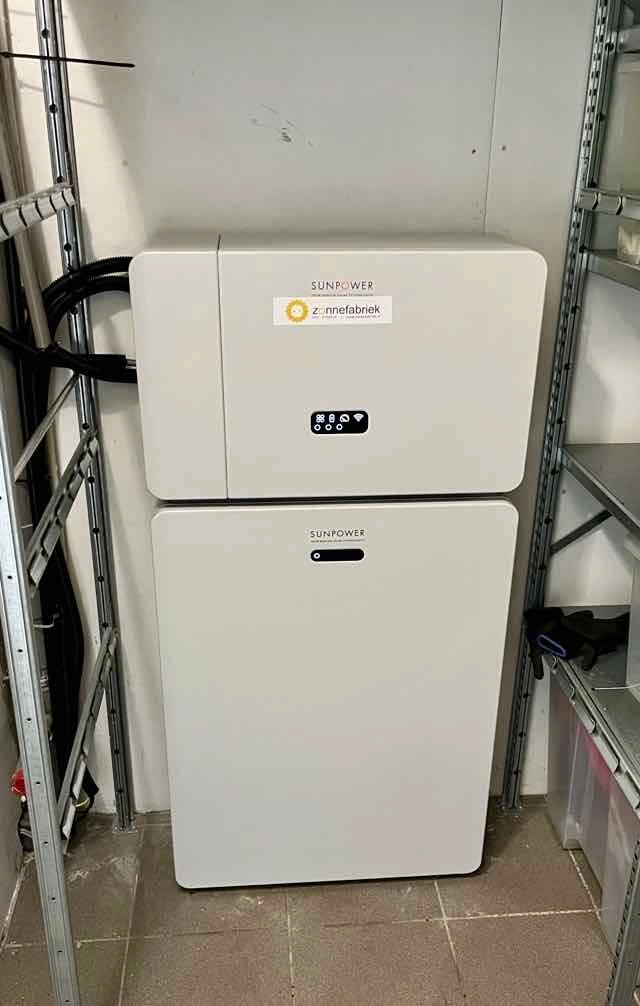
The battery must be placed on a firm, flat surface with sufficient ventilation space to dissipate heat
As mentioned, we follow the PGS-37 guidelines for systems larger than 20 kWh. This is a whole list of measures for the space in which the batteries are located. Here we list a few:
Cover page of an emergency plan for battery systems according to PGS-37 (source: PGS)
As you can see, there is quite a lot involved with battery systems larger than 20 kWh. To make it easier, larger battery systems are often placed in a separate container at a certain distance from the building. This is usually not possible for residential systems. The need to implement all these measures means that larger battery systems only become worthwhile from 100 kWh or more.
Zonnefabriek has been installing battery systems since 2020. On our product page you will find the most common batteries that we install today, but if you have wishes for a device that is not listed, you can always contact us: we will be happy to find out what the possibilities are for you.